


Hyperpigmentation
The Sachi Skin journey started from a need for products that would actually work to fade marks and lighten uneven tone.


What is Hyperpigmentation?

What is it?
Hyperpigmentation is a common skin condition in which patches of skin become darker than the surrounding area due to excess melanin production. It can appear as brown, black, grey, red or pink marks and may affect any skin tone. While generally harmless, hyperpigmentation can become more noticeable with age as the skin's natural repair processes slow down.

When does it occur?
Hyperpigmentation can develop after sun exposure, inflammation, hormonal fluctuations, skin injuries, or certain medications that stimulate melanin production. Common forms include post-inflammatory hyperpigmentation following acne or irritation, melasma triggered by hormones, and sun spots that accumulate over years of UV exposure. It can occur at any age but often becomes more prevalent over time due to cumulative environmental damage.

How is is treated?
Our Triphala Pigmentation Corrector contains a proprietary blend of Triphala and 12 Brighteners help to suppress and balance skin melanin from getting overstimulated by light, heat, skin irritation etc. Vitamin C rich Amla inhibits tyrosinase activity as Triphala pigmentation Corrector address the multiple modalities to hyperpigmentation.

Farah's Skin Journey
Founder Farah Bashir created Sachi Skin after her own difficult skincare journey, navigating 20 years PCOS-related acne, severe post-peel burns, and an adverse reaction to hydroquinone. Despite countless treatments, she couldn’t find solutions that were both effective and safe for melanin-rich skin. With over 17 years experience in the industry and as a Cosmetic Formulator and Aesthetician, Farah built Sachi Skin on one simple truth; skin doesn’t have a type, it moves through a state.
Growing up between ancient Ayurvedic traditions and modern dermal science, coupled with her own skincare journey of navigating hyperpigmentation and hormonal challenges, she has curated formulas that bridge both worlds - advanced dermal science and healing Ayurvedic botanicals. The result? Transformative skincare that evolves with you. After just 5 years, Sachi Skin is trusted by the industry's leading experts and delivers multi-award winning products for you to enjoy.
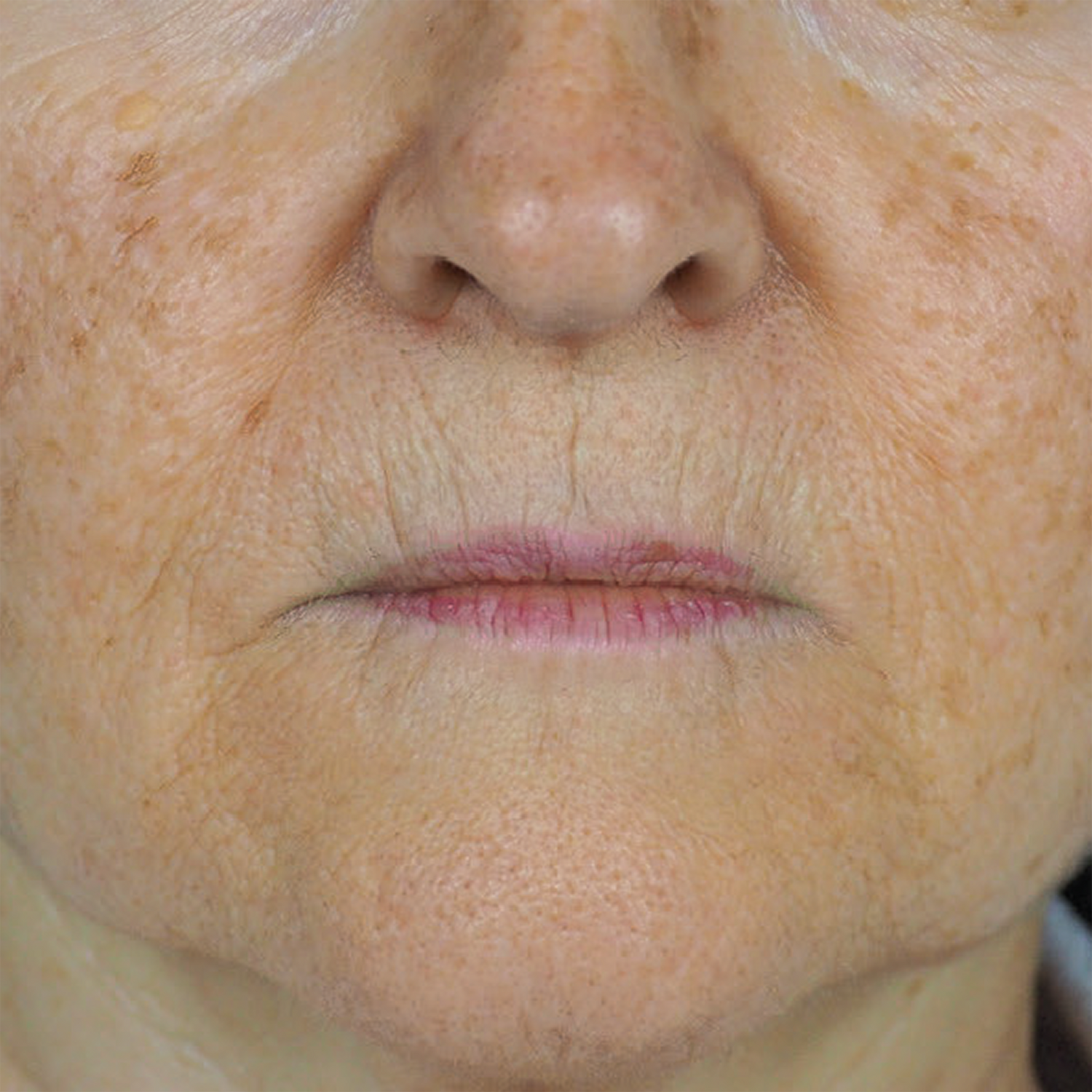
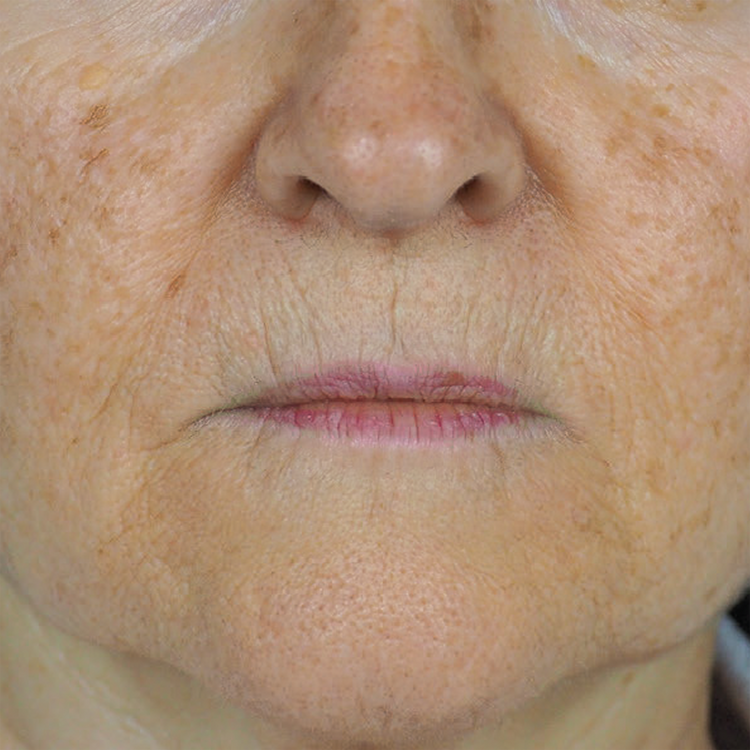
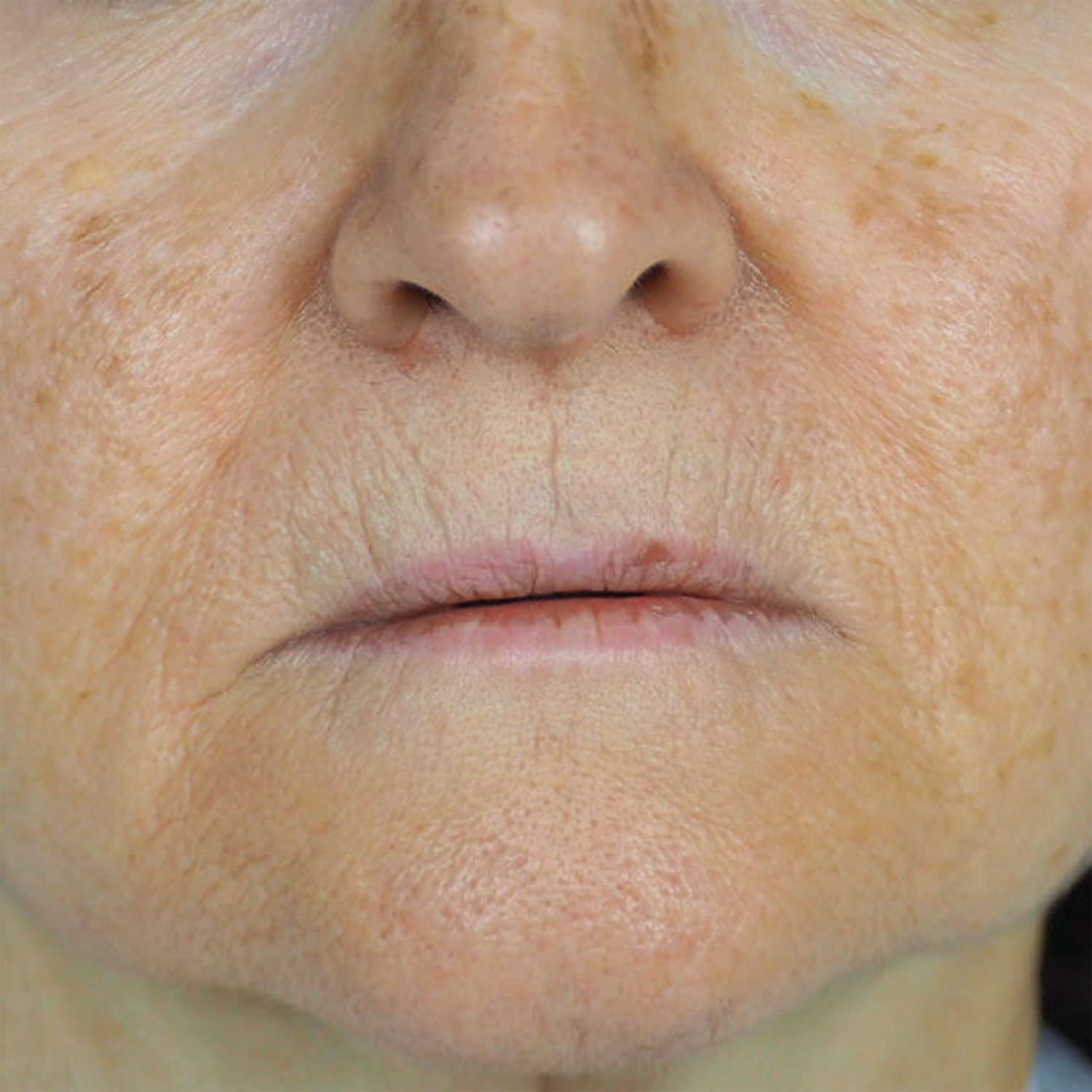
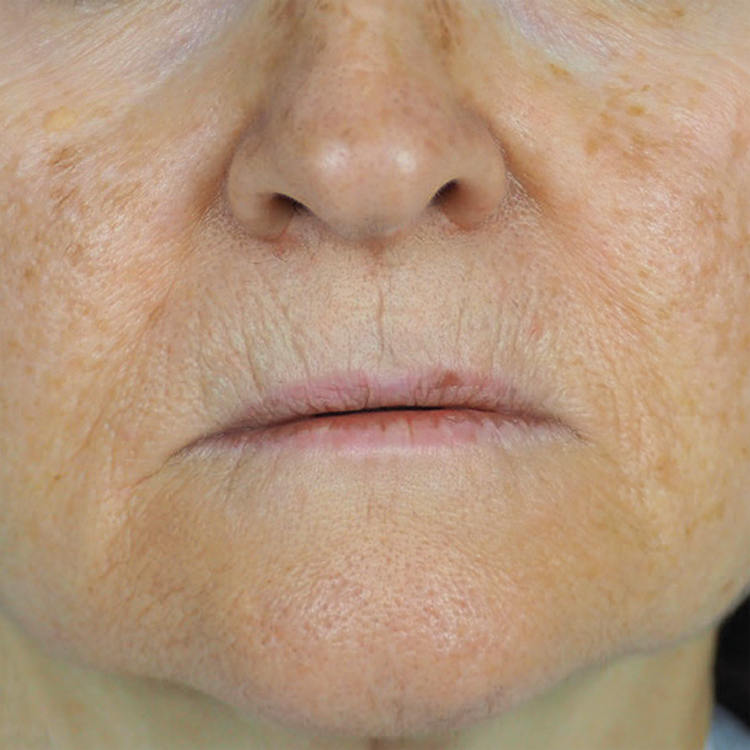


*Efficacy test conducted on 15 volunteers with x2 daily application for 28 days
Types of Hyperpigmentation

Melasma
Sometimes referred to as the pregnancy mask, it is irregular patches of hyperpigmentation usually caused by triggers such as genetics, sun exposure, hormones and some medications (genetic predisposition is a major factor in the development of melasma). There are also different types of melasma: epidermal, dermal and mixed, with dermal melasma being the most difficult to treat.

Post-inflammatory Hyperpigmentation (PIH)
Dark marks left behind on the skin (or the overproduction of melanin in the skin) as a default response to injury (burns, cuts, scratching and picking the skin) or inflammatory skin disorders (eczema, acne) and can also be caused or further darkened by sun exposure and some medications.

Solar Lentigos (sun spots, age spots)
Usually smaller, flat, dark brown, round or oval spots and are the results of cumulative sun damage. For these reasons, they mostly appear on parts of the body that are frequently exposed such as the hands, face and arms. They are also more common in older skins due to photoageing and irregularities in pigment production or deposition.
Want to Learn More?
Treating hyperpigmentation is an ongoing commitment to decrease the amount of excess melanin being produced and prevent its return especially in the cases of more genetic related hyperpigmentation disorders like Melasma.
For further education and key steps to help you on your journey for glowing, radiant, even skin tone. download the hyperpigmentation e-book below.
The Hyperpigmentation Routine


Triphala Pigmentation Corrector[30ml]
Fade stubborn dark spots, brightens


Peptide Pro Resilience® Serum Concentrate[30ml]
Smooth expression lines, calm redness, repair


Ursolic Acid & Retinal Overnight Reform[30ml]
Reduce wrinkles, restore elasticity


Saponins Cream Cleanser[120ml]
Hydrate, soothe sensitised skin

